

Indeed, cultural heritage is very important for people to understand the past, shape the present, and guide the future.
Cultural practice provides people with a sense of identity and belonging. It is society’s traditions, beliefs, and practices which shape the moral fiber of the people.
Indigenous cultural practices are inherited ways of life, beliefs and customs that are passed down through generations. They are not only folklore or old habits but form a vital and integral part of nature, spirituality and the community.
Cultural practices are not outdated or archaic belief, but are the valuable ways to help keep society on track or in check.
Cultural heritage includes tangible heritage, intangible heritage and natural heritage. For instance, forests form part of our indigenous natural heritage which has sacred resources to connect nature and humans.
Nature has endowed various communities with rich resources including vast lands of which some are forest reserves and it is the responsibility of the citizen to protect and preserve them.
Due to the sacred nature of some forest reserves, citizens are not allowed to enter them. This cultural practice has led to the preservation and protection of certain species of plants and animals from extinction over several years. Ghana is no exception. Certain communities only allow citizens to enter such forests when it is time to perform rituals.
Communities in other forests areas protect and preserve animals during the breeding season by culturally observing a period of “No Hunting” in the forests. This enables newly born young ones to grow into maturity.
This cultural practice has been formalized into law by various governments including Ghana to stop people from hunting within the breeding period.
A cultural phenomenon of this nature is replicated along the coastlines including Ghana’ coastal communities. These communities observed days set aside for “No Fishing”. The days vary with each fishing community and it is meant to preserve the fishes in the ocean.
The traditional bone setting is also considered as one of the old cultural practices in several communities. Bone setters are traditional herbal healers whose specialty is in treating bone related issues.
Although natives describe that form of health treatment as painful with no medication to reduce the pain for some time as compared to the orthodox kind of surgery, bone setting is still a cultural practice presently.
In Ghana, it is the most sought-after treatment when orthodox medicine fails to provide the remedy for any bone fracture. Citizens staying both locally and abroad usually find their way to these herbal facilities to have their bone related issues resolved especially the sporting community.
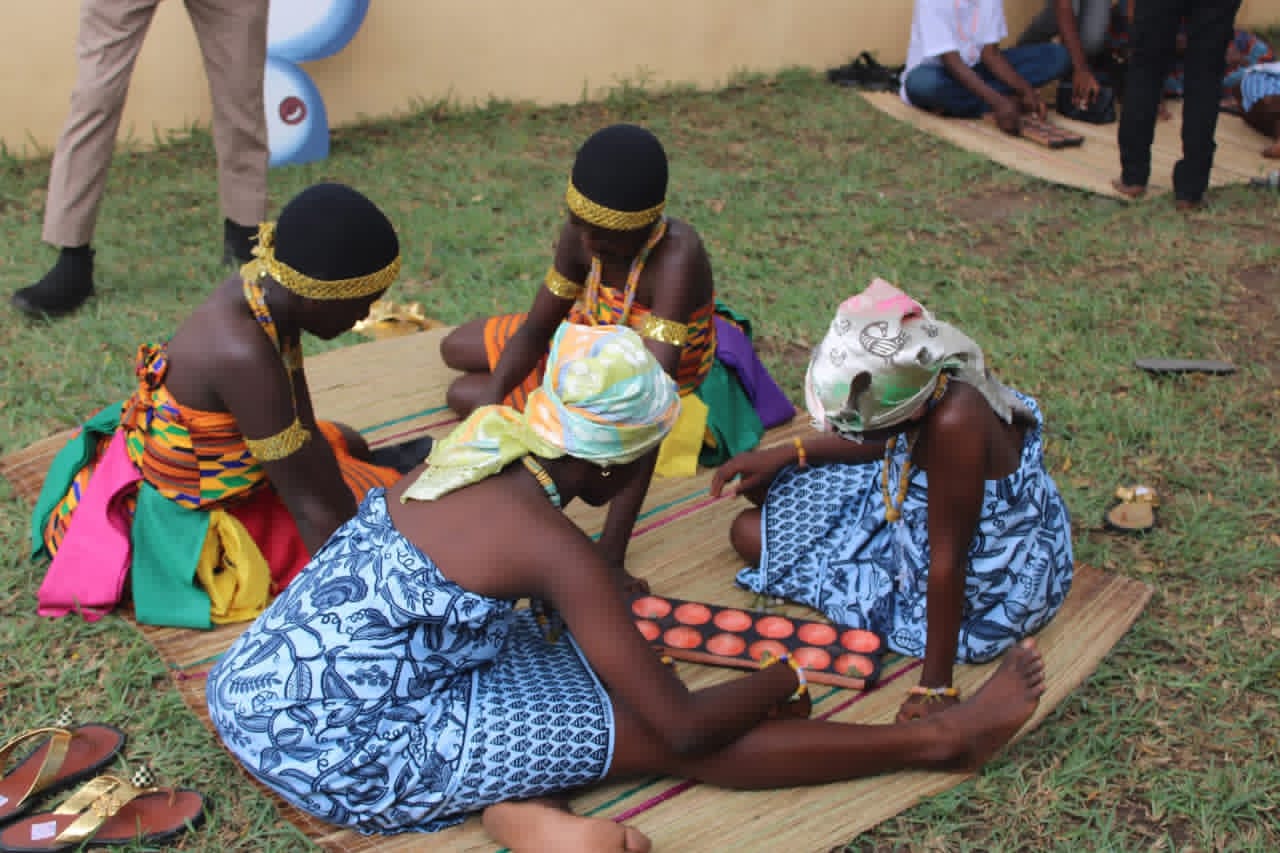
The folklore game is yet another aspect of cultural practices. These games form part of several communities’ social life. It helps shape the life of individuals in communities. The games usually form the base for socialization especially among children.
In Ghana, games such as “Ampe”, “Oware”, “Ludu”, and “Dame” just to mention a few, do not only keep people busy but serve as an activity that refreshes the entire human body. A game such as Oware helps in developing counting skills among individuals.
Storytelling is also considered as one of the oldest but neglected tools used in our communities in educating and giving moral instructions. It helps in cultural preservation and identity, community building and social cohesion as well as serving its entertainment and engagement purposes.
This enables young people especially children to learn at first hand, most of the cultural practices which will help in their socialization.
However, these practices have currently eluded many communities. The continuous transformation of various communities into modernity coupled with new technologies has forced people to relegate their cultural practices to the background.
Due to these challenges, young people found in these communities have lost touch with their cultural practices. To the extent that some do not see or understand its relevance in the current dispensation.
The National Folklore Board in Ghana since its inception strives to create the enabling environment for the protection, preservation and promotion of Ghana’s cultural heritage. The institution does these through its programme of activities and through partnership with liked-minded institutions.
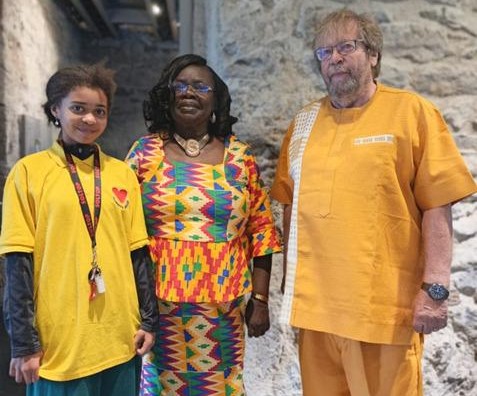
In promoting the cultural heritage of Ghana recently, the institution initiated and concluded the enlistment of the traditional cloth, “Kente” and Highlife Music and Dance on the United Nations Educational, Scientific and Cultural Organisation (UNESCO) Intangible Cultural Heritage (ICH) platform.
Additionally, work is currently ongoing for the enlistment of the traditional gown “Fugu” on the same UNESCO platform.
As a regulatory body, the National Folklore Board has created awareness on the commercial use of folklore elements such as the “Adinkra” Symbols and the royalty payments associated with it.
Backed by a Parliamentary Legislative Instrument, the institution has been able to rope-in individuals and institutions illegally using these folklore elements for commercial purpose.
On the occasion of the World Folklore Day 2026 celebration, communities need to re-focus their attention on cultural preservation, protection and promotion for community building and social cohesion.
In the case of governments around the globe, they need to take a second look at some of the cultural practices and possibly enact laws out of them for the preservation and protection of nature.
Direct investments can be targeted at some of the cultural practices to further develop them to meet the standards of modern technologies. Formal cultural resources management practices must be encouraged by governments to help preserve the legacy of the ancestors.
Communities must safeguard their cultural heritage to enable the young people especially children learn at first hand, most of the cultural practices for their socialization.
By these initiatives the future of the younger generation would be properly shaped, economic growth would be promoted, and it would afford the future generation the opportunity to learn from the past.
Source: Isaac Shinne Ametepe, Public Relations Unit-National Folklore Board








Leave a Reply